The SSC MTS Normalization 2026 process is a critical mechanism used by the commission to balance varying difficulty levels across different exam shifts. Read on to master the details of the SSC MTS 2026 scoring methodology.
What Is The SSC MTS Normalization Process?
Candidates should have a clear grasp of the normalization concept before diving into the specifics of SSC MTS 2026. If you are preparing for government exams, you have likely encountered "normalization" previously. To maintain equity, the Staff Selection Commission applies this statistical process to adjust marks in multi-shift examinations, compensating for fluctuations in paper difficulty. This ensures that no candidate is unfairly penalized due to their assigned shift. This article provides a comprehensive guide to the SSC MTS Normalization Process 2026.
SSC MTS Answer Key 2026 Released - Click Here to Download & Check Your Score
SSC MTS 2026: Normalization Formula
The SSC normalization model calculates final scores by evaluating the relative difficulty of each specific shift. By comparing the average marks across all shifts, the commission standardizes performance, ensuring that the aptitude levels of candidates are measured on an equal footing, regardless of when they appeared for the test.
This fair evaluation is possible due to the large, randomized pool of candidates appearing in every shift, which allows for consistent statistical distribution across the entire examination cycle.
The Staff Selection Commission follows this standardized mathematical formula for the SSC MTS Normalization Process 2026:
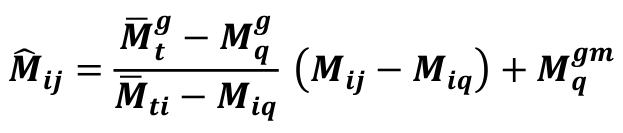
- 𝑴𝒊𝒋 = Normalized marks of the jth candidate in the ith shift.
- 𝑴𝒕𝒈= is the average mark of the top 0.1% of the candidates considering all shifts.
- 𝑴𝒒𝒈= is the sum of the mean and standard deviation marks of the candidates in the examination considering all shifts.
- 𝑴𝒕𝒊= is the average mark of the top 0.1% of the candidates in the ith shift.
- 𝑴𝒊𝒒= is the sum of mean marks and standard deviation of the ith shift.
- 𝑴𝒊𝒋= is the actual marks that the jth candidate obtained in the ith shift.
- 𝑴gm𝒒= is the sum of the mean marks of candidates in the shift having maximum mean and standard deviation of marks of candidates in the examination considering all shifts.
How Does SSC MTS Normalization 2026 Work?
The SSC has officially updated its evaluation criteria by adopting the equipercentile method. According to the notice issued on June 2, 2025, this sophisticated method is now the standard for all SSC exams, ensuring a more refined and transparent evaluation process for every applicant.
How The Equipercentile Method Works?
Under the equipercentile system, raw scores are no longer compared directly. Instead, the commission evaluates candidates based on their percentile rank within their specific shift, normalizing results based on relative performance.
- For example, if a candidate performs better than 80 percent of students in one shift, that candidate will be considered equal to another candidate who also performed better than 80 percent in a different shift.
- This system checks the relative performance of a candidate within the same shift and then matches it with other shifts. Because of this, differences in paper difficulty do not affect the final result.
Benefits Of The SSC Normalisation
- It allows fair comparison between candidates of different shifts.
- Students who get tougher question papers do not face any loss.
- The system is easy to understand and more transparent.
- The method is scientific and improves trust in SSC results.
This modern, data-driven approach significantly enhances the reliability and balance of the normalization process for all SSC aspirants.
Why Is SSC MTS Exam Normalization Important?
The core objective of normalization is to guarantee an equitable assessment. By neutralizing the impact of varying difficulty levels, the commission ensures that students who face tougher shifts are not at a disadvantage. This consistency helps reduce exam-related stress, as candidates know their final score will accurately reflect their performance relative to their peers.
FAQs
Yes, following the normalization process, the final SSC MTS marks for the computer-based examination will be formally released by the commission.
In the event of a tie in normalized scores, the commission applies tie-breaking criteria: higher marks in Session I, higher marks in General Awareness in Session II, followed by age (older candidates given preference), and finally, alphabetical order of names.
For example, if the average score in Shift 1 is 125/150 and the average in Shift 2 is 110/150, the normalization process will adjust the scores upward for Shift 2 participants to account for the increased difficulty level of that paper.
A common misconception is that accuracy is the sole factor in normalization. In reality, normalization is a statistical model independent of simple accuracy, relying instead on the established formula and comparative metrics outlined in the official notification.